
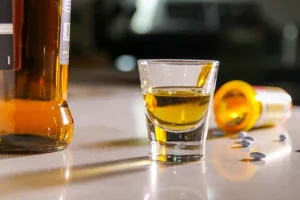
It’s important to remember that you have the power to choose,” she adds. Millions of readers rely on HelpGuide.org for free, evidence-based resources to understand and navigate mental health challenges. Please donate today to help us save, support, how to take a break from drinking and change lives. Make a table like the one below, weighing the costs and benefits of drinking to the costs and benefits of quitting. If you add in costs of drinking in social settings at restaurants, bars, and clubs, the amount might be more.
Thinking of trying Dry January? Steps for success

Here are tips for telling your friends and family you’re getting treatment to change your drinking. Tell trusted family and friends about your plan to quit or cut back on alcohol. When https://ecosoberhouse.com/ those around you are in the know, it can help them know not to offer you drinks. It may even help if you spend time with other nondrinkers for a while so you can support each other.
- It’s common to have a difficult time when making big changes, but good self-care practices can help you manage overwhelming feelings and take care of your mind and body.
- It can be helpful to make a plan ahead of time for how to handle a relapse.
- It doesn’t have to be just friends or family, it could be an online community.
- Dr. Dasgupta said for social and moderate drinkers, participating in a month break won’t make much difference to their bodies.
- Binge drinking can be a result of social pressure, but may also be a response to uncomfortable or unpleasant feelings.
How Taking a Break from Alcohol Benefits Your Health
- If any area of your life is out of control, it will not help you maintain lasting sobriety.
- Which option is best for you depends on how much you’ve been drinking, how long you’ve had a problem, the stability of your living situation, and other health issues you may have.
- What’s most important is looking at your drinking habits and finding a way to cut back that works for you.
- But maybe you’re unsure about quitting completely and don’t want to hold yourself to that goal.
- Try taking a class, joining a church or a civic group, volunteering, or attending events in your community.
It’s OK in moderate amounts — which means no more than 1 drink a day for women — no more than 2 per day for men. The less you drink, the lower your risk of alcohol-related harm. Mindfulness practice has also been shown to help drinkers to change their drinking. Understanding this can be a helpful motivator to make changes.
Notice changes in how you feel
It’s not that you have a big problem with alcohol but there are some things about your relationship with booze that you want to change. Here’s a resource to navigate all the kinds of help and treatment options out there. Brigid Clancy works as a contractor to a private alcohol and other drug consultancy. “It’s important to seek professional help if your attempts to curb or eliminate your alcohol use are unsuccessful,” says Ellinwood. Accept the urge and ride it out, instead of trying to fight it. This is known as “urge surfing.” Think of your craving as an ocean wave that will soon crest, break, and dissipate.

Make a promise, drink kombucha, learn guitar: Your tips for giving up booze
BetterHelp is an online therapy service that matches you to licensed, accredited therapists who can help with depression, anxiety, relationships, and more. Take the assessment and get matched with a therapist in as little as 48 hours. If you’re used to de-stressing after work with a glass of wine, try a quick burst of exercise. If you’re trying to shed a few pounds, keeping that goal in mind can be great a list-topper for why you’re quitting booze. Identify the benefits of quitting and write them down as a reminder of why you’re doing this. Not feeding the habit comes down in part to changing the ways you enable or encourage drinking.
Within just a month of not drinking, your body can begin to reap the benefits. Your liver can start to heal, your risks of heart disease and cancer go down, and you may begin to sleep better. Family and friends can provide encouragement and support when you stop drinking. By opening up about your relationship with alcohol, you might also encourage others to explore their own drinking habits. She says if you’ve never had any physical or mental withdrawal symptoms from stopping drinking alcohol in the past, then it’s probably safe to drop to zero drinks straight away. Given that alcohol is so ubiquitous in our culture, some people drink out of habit and haven’t taken the time to take note of its effects.
- In particular, she’s committed to helping decrease stigma around mental health issues.
- A popular way to do this is to participate in a sober month like Dry January or Sober October, which are health and wellness trends that emphasizes taking a break from alcohol for an entire month.
- “Try to hang out with people during the day rather than the evening — that sort of strategy can help at the start,” she says.
- For anyone concerned about heart health, Dasgupta recommended decreasing alcohol intake and increasing physical activity, which also raises good cholesterol.
- If you’re around people who are excessively drinking, you’re more likely to be pressured to continue drinking, too.
More on Substance Abuse and Addiction
- Just as you might think to yourself, “maybe I should get more sleep this week,” you can think, “maybe I should check in with myself about my alcohol consumption.” Here’s how to start.
- She is a member of board of directors of Hello Sunday Morning.
- Research has also shown that taking a month-long break from alcohol can be good for the liver.
- Ask your doctor whether any medications may help in the process.